
As high-end streetwear becomes a new phenomenon among young people and their use of social media turns into a unique way to speak of fashion trends, there is a dramatic shift in young consumers’ perceived values toward buying luxury products. It does not mean that the classic symbols – Hermès Birkin bag, a couture Dior’s dress or a Rolex’s watch are in great danger of losing their status. But as far as being concerned, the concept of luxury fashion is blurring and there remains the question about where it began and will end.
LUXURY IS A POSSESSION OF POWER
“The king stood in for the nation. His things stood in for him”,
write Peter McNeil and Giorgio Riello in Luxury: A Rich History
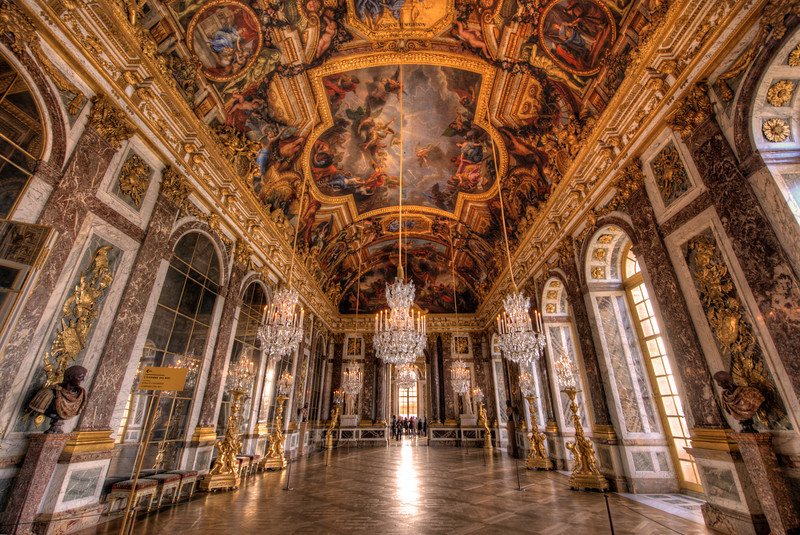
Perhaps no other kings in the history ever comport with this conviction like Louis XIV did. With the astonishing renovation of Versailles de Chateau in 1600s, Louis created a masterpiece which represented the earliest pinnacle of luxury and royalty with which his name would be eternally associated.

Source: Robertreport.com
And with his establishment of rigid rules for court culture and lavish dress code, Louis XIV was also known to have equated the man’s luxury possession with his power. He used to possess a ship-like vessel containing the king’s knife, folk and napkin, much of which were exclusively manufactured for royal utilization, just in order to compel the courtiers to bow before it. Louis’s expensive-looking furnishings and fashion has created the luxury sector as we know it.
Source: Versailles de Chateau
It was not until the era of industrialization in 1800s had Americans had enough money to build those George-style mansions and chateaus decorated with luxurious French furniture and imitate the lifestyle of European nobleman. The economist Thorstein Veblen then shed light on such luxury behavior in his book: Theory of the Leisure Class published in 1899.
Veblen described the social and economic differentiation of upper-class people which originated from the exemption from industrial occupations established the notion of “conspicuous consumption”. With that being said, conspicuous consumers bought luxury goods not only for expressing their wealth but also to declare their social status that would distinguish them from manual labor – for example, a man’s high hat or a woman’s high heel. The concept was furthermore extended to how upper-class people spend their leisure time. Their utterly useless leisure activities as raising pet dogs or race-horses, collecting the latest fashion, furnishings or arts, and all the accessories linked to them are all considered to be “conspicuous”.
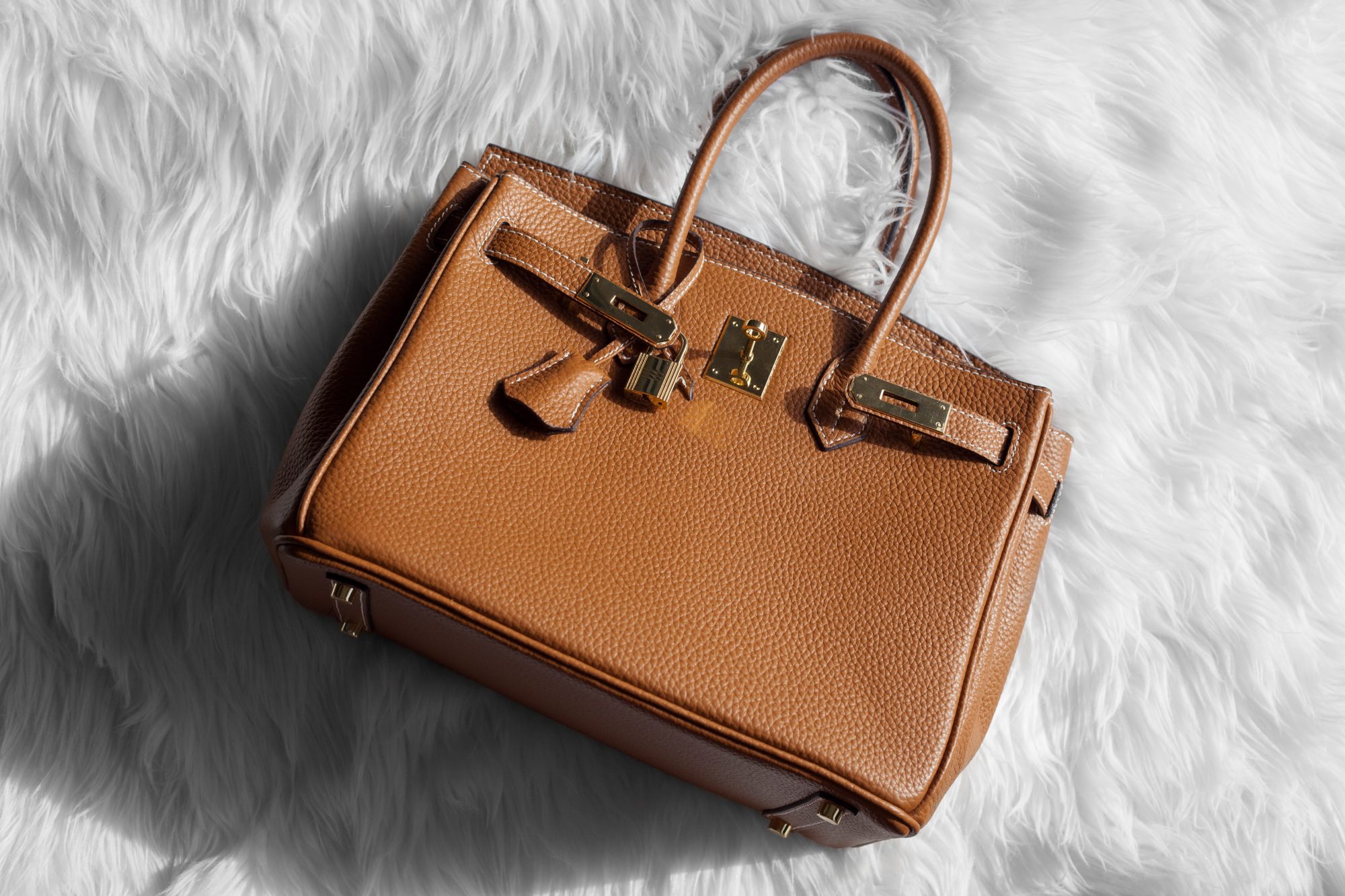
To put it simply, a cheap canvas bag and a Hermès Birkin handbag bad can both help you carrying the same quantity of item. But the Birkin might tell you an entirely different story, from the most fundamentally conspicuous perception, that the owner spent more than $10,000 upon it. And yes, as far as it has been emphasized in their marketing strategies, those luxury handbags are always associated with expensive leisure activities of celebrities and wealthy people which require a huge investment of time such as fine dining, luxury shopping and traveling.
LUXURY FASHION IS A REVOLUTION
When it comes to luxury, the segment drawing the most attention of the field would be luxury fashion, or saying in a fancy French way, “haute couture” /oʊt kuːˈtjʊər/
In the 2006 article, “The Eternal Principles of Creating Luxury Brand”, Dan Herman has stated that luxury fashion or haute couture, in the most long-established and unchanging nature, is “not designed and planned according to consumer tastes and expectations”. Instead, a luxury brand set its own standards, expressing an exceptionally distinctive culture and incredible inspiration that lie beyond the product function and practicality. This, unsurprisingly, situates luxury fashion in a separate arena where the unique and finest craftsmanship, timelessness and scarcity becomes the core qualities constructing the creation of all ‘haute couture’ as well as the evolution of the entire fashion industry for centuries.
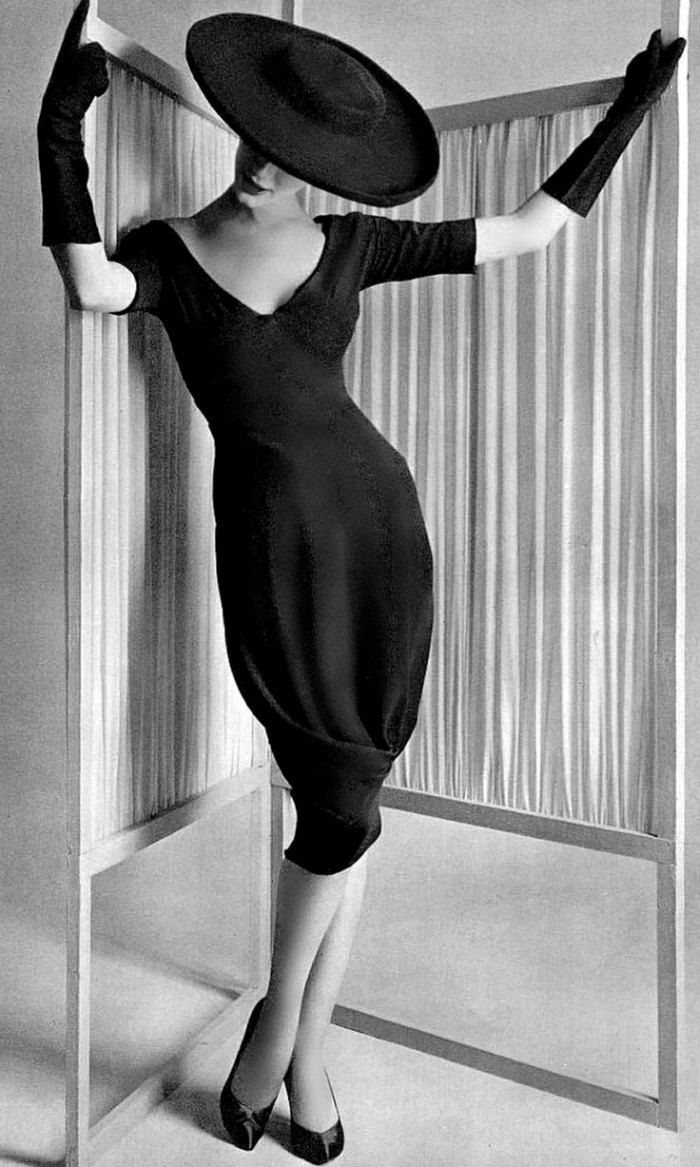
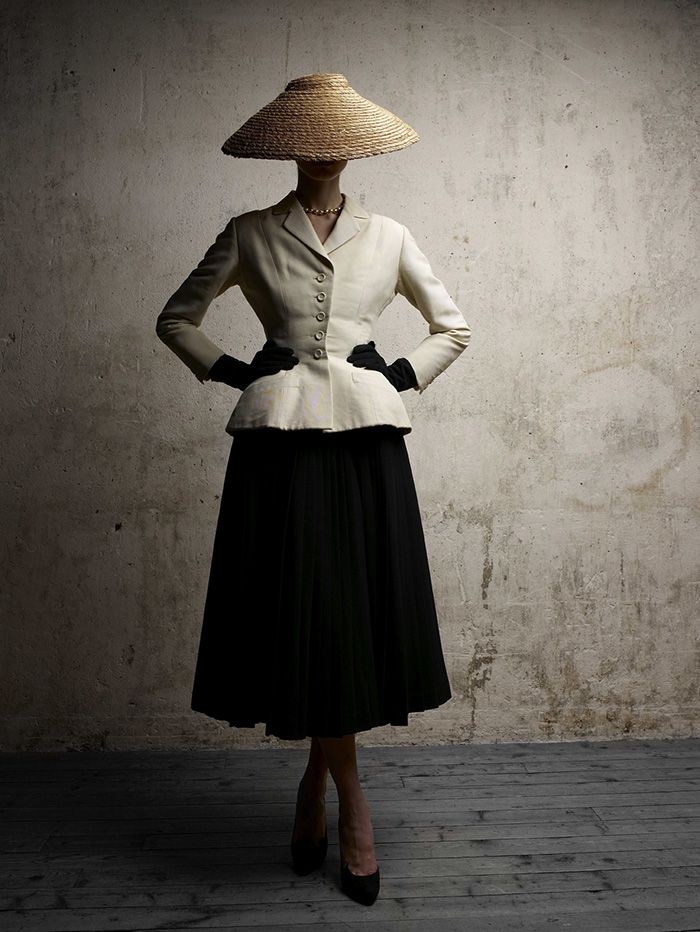
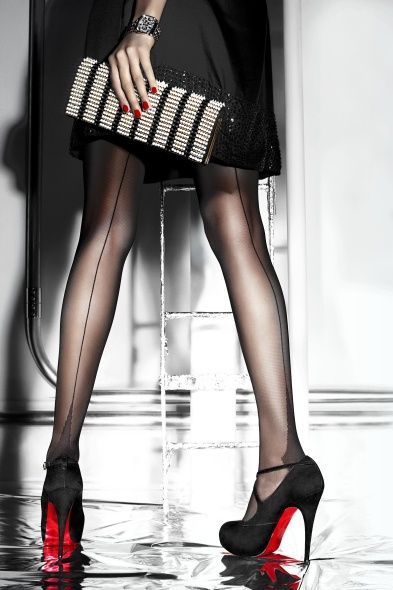
In the language of creative design, some of the most renowned designers have developed iconic fashion looks which have transcended the fashion industry of today. Coco Chanel’s bias cut – the ‘Little black dress’, Christian Dior’s A-line skirt – the “Bar Suit’ or the signature red soles of Christian Louboutin’s shoes remain to be the timeless fashion pieces in the context of contemporary fashion. Over time, those particular designs carry on being remarkably influential to present-day fashion collections as a frame of reference, which coined the term “fashion zeitgeist” – the spirit of fashion trends characterized by the representation of traces of the past.
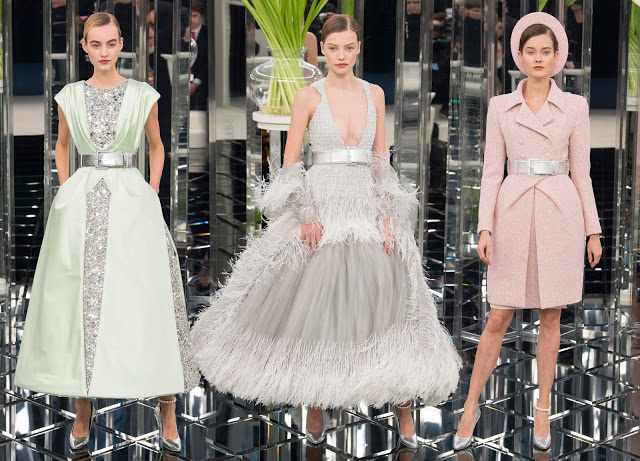
Consequently, “the vision of creative director nowadays often trickles down into mainstream fashion with reference to those forms of trend”, said Angelo Pantalone who has been researching and lecturing Luxury Fashion Management at RMIT University, Melbourne. Pantalone also pointed out that the notion of luxury fashion is rooted in the complex context of “heritage, authenticity and qualitative scarcity of through limited product runs”. These values have not only historically featured in the developments of the luxury fashion but also underpinned the revolutions of the present fashion world.
Interviewed by Bao Nguyen
BUT THE WORLD IS CHANGING, AND LUXURY FASHION MUST ADAPT TO EVOLVE
“If you covet it, it’s luxurious to you. For a 17-year old kid, that Supreme t-shirt is their Louis Vuitton. It doesn’t matter if its $30.”
Virgil Abloh – artistic director of Louis Vuitton’s menswear
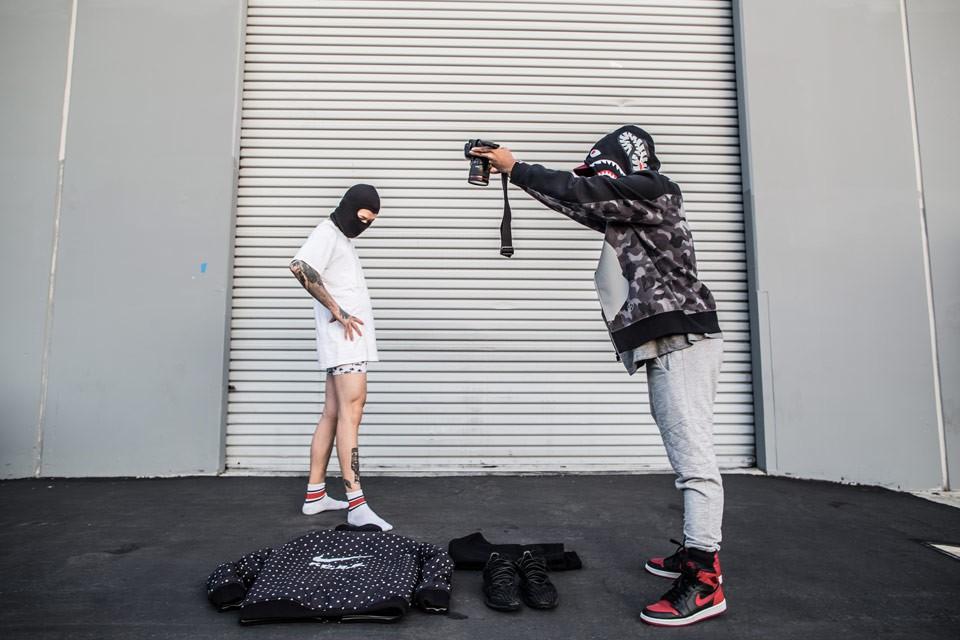
A shift in what younger generations think of as luxury and status symbols, obviously, was already underway: it is not the luxury brands define what is ‘luxury’ anymore, but it is, instead, the buyers. Consumers, in this digital age, become the king who would be able to possess a great power through accessing seemingly endless purchase options on the Internet. This also coincides with the notion of streetwear being a newly widespread trend in fashion, which is particularly resulted from the increasing use of social media such as Instagram as a unique way to speak of fashion and individualism among young people.
Source: Chris Danforth
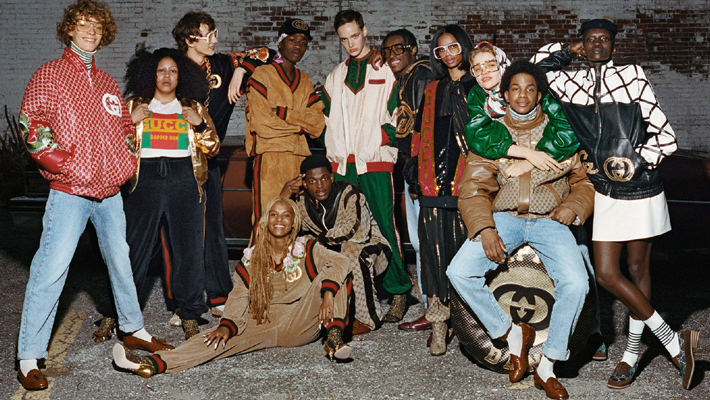
So where has this phenomenal trend come from? Rooted in skate and hip-hop culture , streetwear started to explode in fashion industry with logo-heavy athletic wear which established the personas of ‘sneakerheads’ and ‘hypebeasts’ alike. Streetwear’s bold aesthetic allows young people to gain attention from social media. And since younger shoppers are beginning to favor uniqueness over craftsmanship, traditional luxury fashion is not desired anymore. According to a 2017 study by consulting firm Bain & Company, luxury streetwear has helped boost global sales of luxury goods by 5 percent last year to an estimated 263 billion euros.
“Young shoppers are less likely to buy a $3,000 jacket these days, but many might spend $450 for the right T-shirt”
said Cédric Charbit, CEO of Balenciaga
Source: Gucci
Therefore, it requires “the luxury brands nowadays have to come up with the new idea which is to modernisation the classic looks from it original design. The biggest challenge is the brand has to go out their comfort zone and create these modern design not only to respond to the young generation’s need but also to maintain it is original identity of the brand” – said Tedliam Budianto, Master of Fashion Managment who has been working in luxury fashion industry for 2 years.
LUXURY BRANDS SUCCESSFULLY SPEAK STREETWEAR IN THEIR WAYS
“A luxury industry is a hard industry where brands have to survive and exist, in some extends, as much as a consumer-lead and as a brand-lead […] What luxury brands do is tapping to a new audience and the luxury brand collaborating with a certain streetwear brand to build a relationship and together come up with a fusion of ideas as a result we see a new product”
said Angelo Pantalone
In recent years, luxury retailers have partnered up with streetwear brands to tap into a younger consumer base and to experiment with different styles. One of the earliest and most successful luxury-streetwear collaboration is the team-up between Louis Vuitton and Supreme in 2017.
And the result of this collaboration was just terrific: beside 2000 shoppers queuing in front of Supreme’s London store and 21 percent year-on-year growth of Louis Vuitton, the success also came in with a huge drive of brand awareness and diversification of potential customers most of who are Millennials and Generation Z.
The most evident shifts that can be observed later on included Burberry’s partnership with Russian label Gosha Rubchinskiy, Gucci’s logo tees, Balenciaga sneakers or Off-White x Nike. Undoubtedly, streetwear as luxury brand has been dominating the luxury fashion industry and become a potential market for luxury fashion house to extend their reach to the wider consumer base.
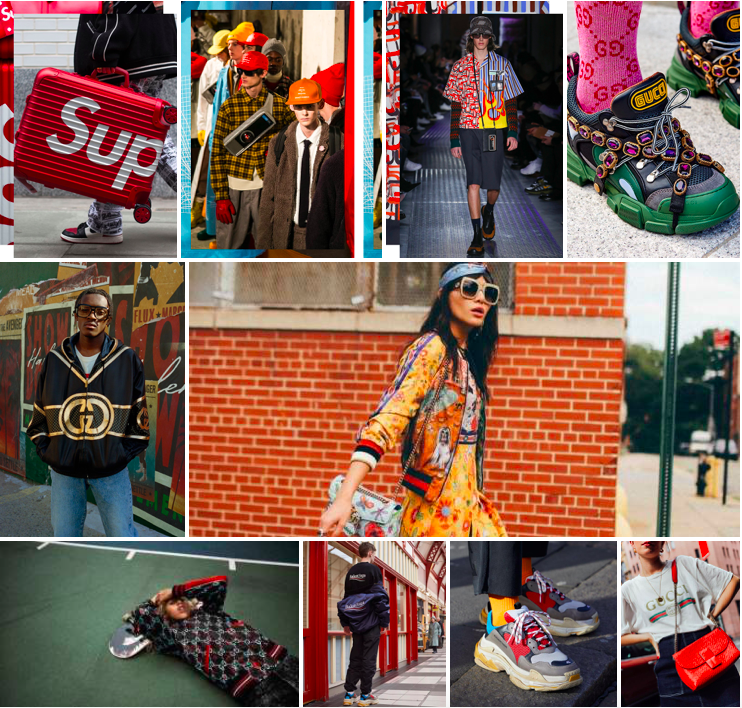
Designed by Bao Nguyen
And with this new rising trend of luxury streetwear, there comes a new notion of scarcity. A ridiculously high price is not the only determinant for limited quantity when streetwear brands have been the pioneers in deploying a strategy called “the drops” where the new collections will be “dropped” in small quantity in stores rather than being released as a mass collection at once. That is why while luxury brands are finally learning how to speak the language of streetwear their own way, the majority still have a lot of catching up to do when it comes to the main fact that makes teenagers around the world line up for hours each week to buy the newest drop and spend hours on Instagram and Facebook groups.
AFTER ALL, WILL TRADITIONAL LUXURY STILL BE LUXURY?
Perhaps, the question remained is about how those luxury brands would be able to respond to the new audiences but at the same time maintain their existing customers without losing their long-established luxury identity? The answer is the brand’s trademark.
Fashion is not really a business that simply sells clothes and bags. Fashion brands, especially the luxury ones are more realistically in selling their trademarks. Imagine that the Chanel’s quilted bag did not have a double “C” logo at the center or the Louis Vuitton bag without the brand’s 100-plus years old Toile Monogram. Would an average consumer pay just as much for these logo-less bags? Probably not.
“When we buy a luxury, we buy an integrity product that has an authenticity built on heritage and history”
said Angelo Pantalone.
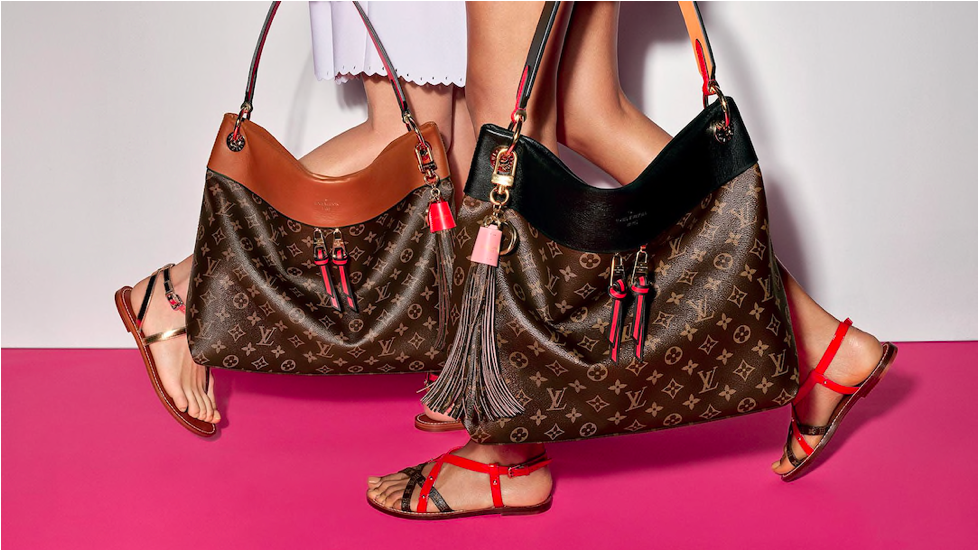
Source: Louis Vuitton
Left standing in the arena of true luxury? Budianto would strongly argue that Hermès is the one.
One thing for sure: Hermès does not need to define the brand as luxury. Not everyone can buy the famous ‘Birkin’ bag. You can not just bring your money and walk in to the store and hope to carry the ‘Birkin’ when you walk out of the door. It takes more than that. You have to have a purchase history at the store before you can put your name on waiting list and it can take months or even year to get the ‘Birkin’ in your hand. It is luxury because of its scarcity and craftmanship. The bag is carefully hand-made and materials are chosen in terms of the high quality leather and hardware
said Tedliam Budianto.
Source: Hermes
Finally, unlike other fashion trends, it seems that ‘luxury streetwear” is here to stay and will not fade away anytime soon because by 2025, 45 percent of luxury market is set to be made up of Generation Z and Millennials. In fact, the trend has been around for years and more luxury fashion brands are now investing further into edgier ranges.
And just like King Louis XIV asking his courters to bow in front of his one-of-a-kind luxurious vessel, the everlasting desire of young people for having their Instagram’s photo double-tapped by their followers would be a main drive for their possession of “new drops” in luxury streetwear collection.
Since you’re here. Please subcribe my Facebook page and Instagram to keep yourself informed with the latest blogs.
Facebook: @faaashion.theblog
Instagram: @faaashion.theblog

 Bao Nguyen's Blog